

elizbethbritt
About elizbethbritt
How To show Invest Higher Than Anyone Else
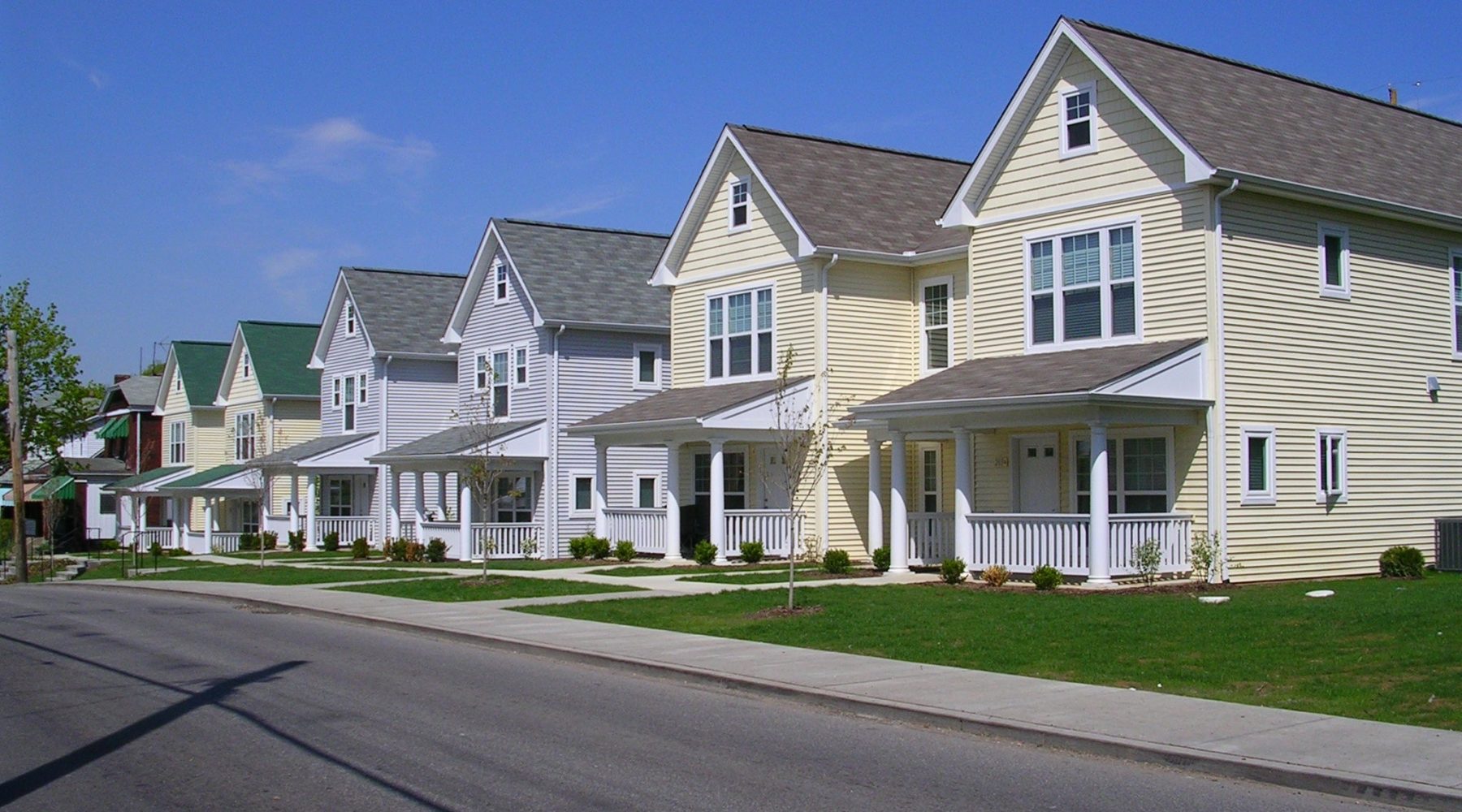 There is a version of the housing market story that gets told over and over, and it goes like this: prices are high, rates are high, nothing is affordable, and the only people buying are the ones with cash. That version is not wrong, exactly. It is just incomplete.
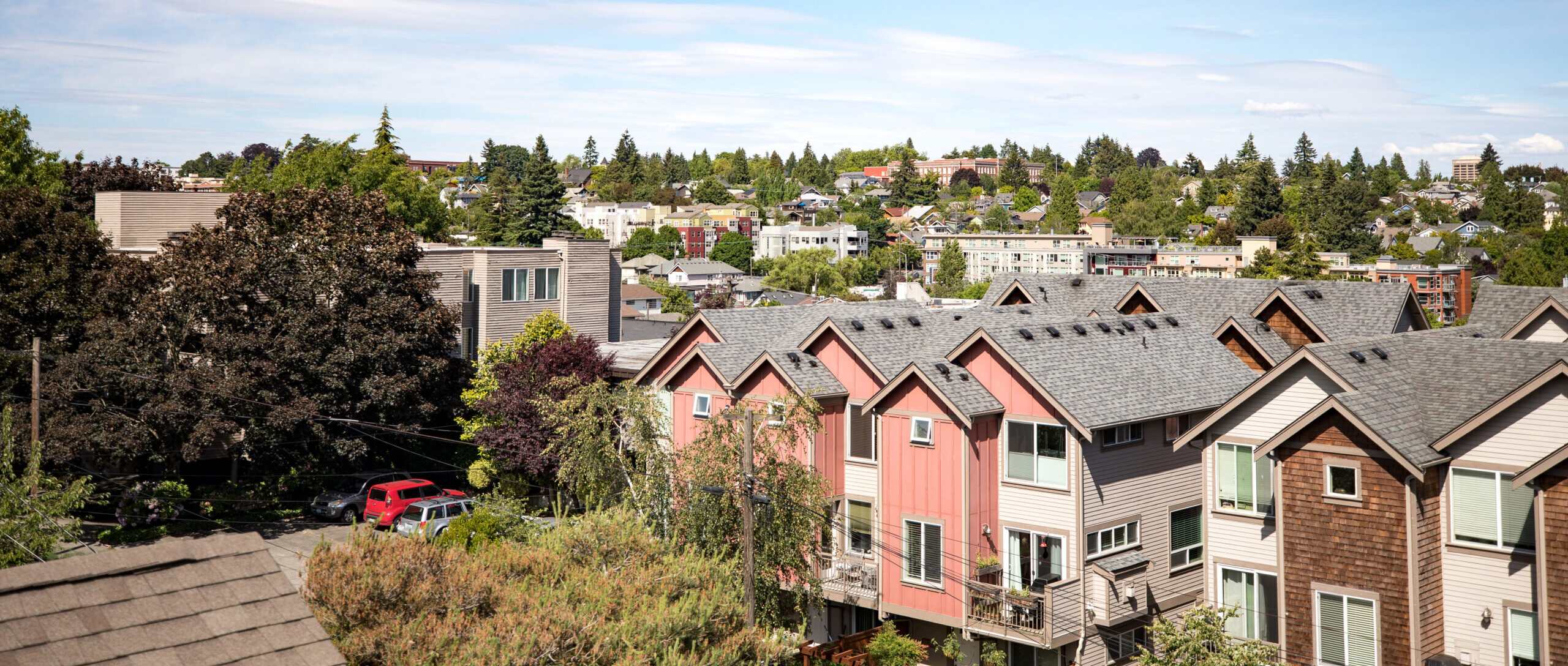 In markets where builders have added meaningful supply in recent years, prices have pulled back. Phoenix, Austin, and parts of Florida saw corrections of ten to fifteen percent from peak levels in some submarkets. But those are the exceptions. Most markets are not working from excess; they are working from scarcity.
 Affordability, by the standard measure of what share of median household income goes toward the monthly payment on a median-priced home, is near its worst level since the early 1980s. That is a real problem, and it is not going away quickly. But affordability being stretched does not mean prices are about to fall sharply. What it means, practically, is that fewer people can compete for each property.
Shop multiple loan officers to compare rates and fees. A quarter-point difference in your interest rate adds up to real money that most buyers leave on the table by taking the first offer they receive. Lender fees vary too. Request itemized fee schedules so you can compare apples to apples.
The appraisal is the lender’s check, not yours. When the appraisal comes in below contract, the deal does not automatically die, but it does require a decision. Ask your agent whether recent comparable sales support the price you are offering.
Budget enough to cover origination fees, title, escrow, prepaid taxes, and insurance without being caught short at the table. First-time buyers often do not see the full closing cost picture until the Closing Disclosure arrives three days before settlement. Ask your lender for a Loan Estimate before you make any offers, so you can plan your cash position accurately.
Real estate is illiquid. Buying and selling inside two years is almost always a money-losing proposition once you account for the full cost of both transactions. None of that means do not buy. It means be honest about your time horizon before you commit.
Real estate rewards preparation more than it rewards timing. Waiting for a better market is a reasonable position only if your personal situation supports it, otherwise you are just paying rent while prices hold. A look at real estate listings and pricing data in your target area costs nothing and tells you a great deal.
No listing found.

