

mosesburdekin5
About mosesburdekin5
6 Ways Sell Can make You Invincible
 Every few years the housing market rewrites the rules, and buyers who learned the last set of rules show up unprepared for the new ones. Right now, the rules have changed more than they have at any point in a generation. The buyers who understand that are finding deals. The ones who do not are making expensive mistakes.
 The arithmetic here is brutal and worth understanding clearly. A buyer who financed a $400,000 home at three percent in 2021 pays roughly $1,686 per month on principal and interest. That same loan at a seven percent rate costs $2,661. That gap of nearly a thousand dollars a month is why transaction volume has fallen to levels not seen in decades. Volume collapsed. Prices mostly did not.
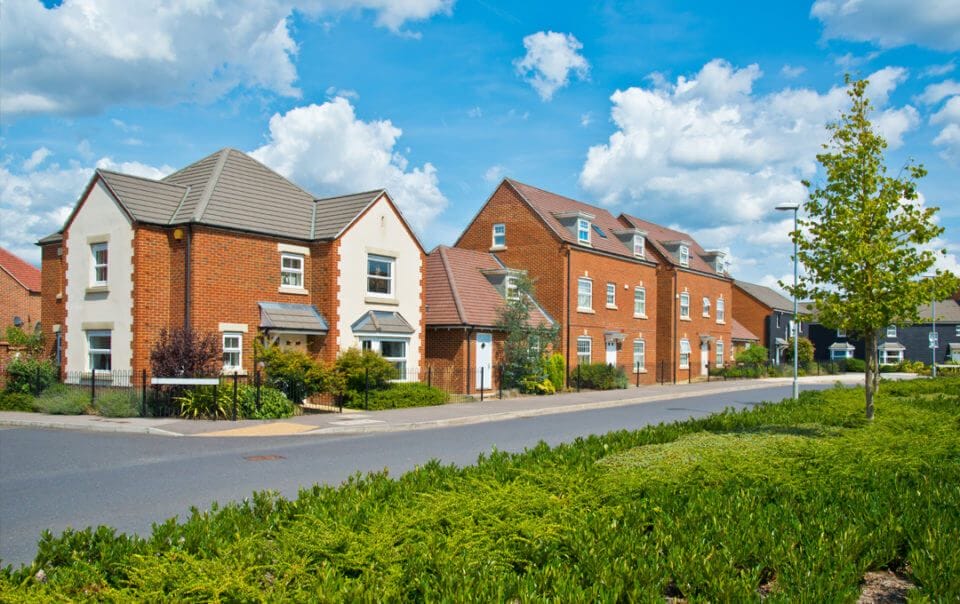 Affordability, by the standard measure of what share of median household income goes toward the monthly payment on a median-priced home, is near its worst level since the early 1980s. That is a real problem, and it is not going away quickly. That measure being at a historical extreme does not automatically produce a correction. What it means, practically, is that the buyer who can close confidently has more leverage than the headline numbers suggest.
Your credit score affects your rate more directly than most buyers realize. Moving your score up by 40 points before you apply can be worth more than months of rate watching. If your score has room to improve, give yourself three to six months to work on it before you begin in earnest.
If the report surfaces significant deferred maintenance or structural issues, you have real choices, and walking away is a legitimate one of them. You can ask the seller to repair specific items before closing. What you should not do is panic and waive your right to negotiate.
 Negotiation works best when it is quiet and well-prepared. Before you make an offer, find out whether there are other offers on the table or offers that have already fallen through. A listing with a history of two failed deals in the past month is a fundamentally different negotiation than one that just hit the market at an aggressive price.
For buyers with a stable income, a down payment of at least ten percent, and a concrete plan to stay in the home for at least five years, this market is workable, even if it is not cheap or easy. The homes that are priced correctly for current conditions are still moving. They are moving to buyers who showed up prepared.


No listing found.

