

fireplace7733
About fireplace7733
The 10 Scariest Things About Buy Fireplaces UK
A Comprehensive Guide to Buying Fireplaces in the UK
Fireplaces have long been a centerpiece in homes, offering both heat and visual appeal. In the UK, the varied climate makes fireplaces an integral feature in numerous homes. Whether one is searching for a functional heating option or a stylish centerpiece, understanding the various types of fireplaces and the elements to consider when making a purchase is important. This short article will offer an in-depth summary of the types of fireplaces readily available, considerations before buying, and answers to regularly asked concerns.
Types of Fireplaces
When considering the purchase of a fireplace, one should comprehend the huge range of choices available. Here’s a breakdown of the typical types of contemporary fireplaces in the UK:
| Type of Fireplace | Description | Pros | Cons |
|---|---|---|---|
| Open Hearth | Traditional fireplace; wood-burning. | Classic appeal, excellent heat distribution. | Inefficient, needs more maintenance. |
| Wood-Burning Stove | Confined wood-burning unit designed for performance. | High-efficiency heating, variety of styles. | Needs area for wood storage, might require chimney lining. |
| Gas Fireplace | Uses natural or propane gas for heating. | Easy to utilize, low maintenance. | May require professional setup, can be less warm than wood. |
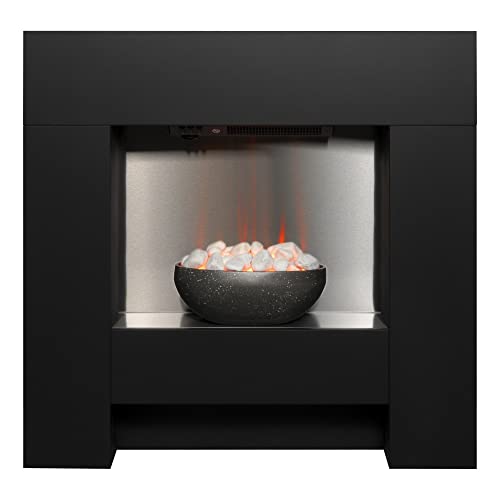
| Electric Fireplace | Uses electrical power to create heat and flames. | Basic setup, doesn’t require a chimney. | Typically less efficient for heating, may do not have the atmosphere of genuine flames. |
| Bioethanol Fireplace | Burns bioethanol for a clean-burning flame. | No venting required, modern style. | Fuel can be expensive, less heat output. |
| Pellet Stove | Uses compressed wood or biomass pellets. | Effective and eco-friendly. | Requires electricity to operate, needs regular feeding and cleansing. |
Considerations Before Buying a Fireplace
Before committing to the purchase of a fireplace, numerous essential aspects must be taken into consideration:
-
Purpose: Determine whether the fireplace will serve mostly for heating or as a visual addition to the room.
-
Kind of Fuel: Consider the type of fuel that best suits your needs– wood, gas, electricity, or alternative options.
-
Setup Costs: Assess the overall installation expense, which might consist of chimney work, flue installation, or extra modifications to the home.
-
Space Availability: Check the area offered and ensure that the selected fireplace fits easily within the designated location.
-
Design and style: Choose a style that complements the existing decor of your home, whether modern, rustic, or traditional.
-
Upkeep: Understand the maintenance requirements associated with each kind of fireplace. For example, wood-burning alternatives might need routine cleansing of flues and chimneys.
-
Energy Efficiency: Assess the energy performance of the fireplace, particularly if it will function as the primary heating source.
-
Local Regulations: Be mindful of local regulations and guidelines regarding installations, especially for wood-burning and gas devices.
FAQs about Buying Fireplaces in the UK
1. What is the very best kind of fireplace for an eco-friendly home?
Response: A wood-burning stove or a pellet range can be excellent environmentally friendly alternatives, as they use sustainable resources. Bioethanol fireplaces are also clean and produce no hazardous emissions.
2. Do I require a chimney for a gas fireplace?
Answer: Most gas fireplaces require venting to the outside, which can be through an existing chimney or by means of a direct vent system that vents through the wall.
3. How do I identify the right size of fireplace for my room?
Response: The size will depend upon the space’s square video footage and the type of fireplace. Normally, a professional can determine the BTUs (British Thermal Units) needed based on the room size.
4. What is the average cost of installing a fireplace in the UK?
Response: Installation expenses can differ extensively depending upon the type of fireplace and its complexity, varying from ₤ 500 for electric fireplaces to ₤ 5,000 for some custom-made installations of wood stoves or gas units.
5. Are electric fireplaces safe to utilize?
Response: Yes, electric fireplaces are usually extremely safe, as they do not produce real flames or emissions. However, as with any electrical home appliance, they ought to be utilized according to maker guidelines.
The decision to buy fireplaces uk (click the next webpage) a fireplace in the UK is complex and depends upon various aspects, including design, performance, purpose, and installation requirements. By understanding the various types of contemporary fireplaces and evaluating individual requirements and choices, one can make an educated option that enhances their home and experience. With the info provided, prospective buyers can start their journey to find the best fireplace that integrates performance with the convenience and warmth that this ultimate function offers.
In summary, buying a fireplace is more than merely choosing a heating choice; it is about adding character to a home while guaranteeing convenience for years to come.
No listing found.

